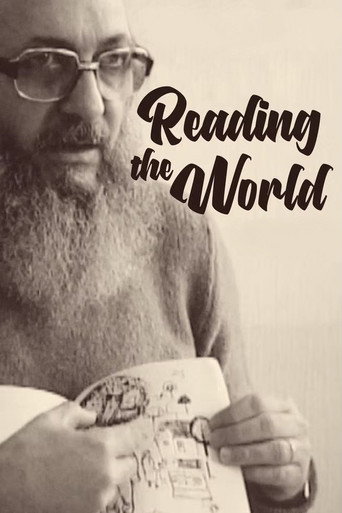

Paulo Freire
Biography
Paulo Reglus Neves Freire was a Brazilian philosopher and educator, widely regarded as one of the most influential figures in the history of global pedagogy. His ideas helped shape the movement known as critical pedagogy, and he holds the title of Patron of Brazilian Education.
Born in Recife in 1921, Freire grew up in poverty, an experience that deeply informed his later work on education and social justice. He studied law before turning to teaching, and in the 1940s and 1950s he worked in adult literacy programs in northeastern Brazil. His innovative methods aimed to teach literacy while fostering critical awareness among oppressed communities.
Freire's most famous work, *Pedagogy of the Oppressed* (1968), written during his exile after the 1964 Brazilian coup, became a foundational text for educators worldwide. In it, he criticized the "banking model" of education—where students are treated as passive recipients of knowledge—and proposed a dialogical approach in which teachers and learners co-create understanding. Other notable works include *Education as the Practice of Freedom* (1967) and *Pedagogy of Hope* (1992).
Freire served as a professor at the University of São Paulo and later worked with the World Council of Churches. He received numerous honors, including the UNESCO Prize for Peace Education in 1986. He died in 1997, leaving a lasting legacy in education, literacy, and social change movements across the globe.
Filmography
View all